
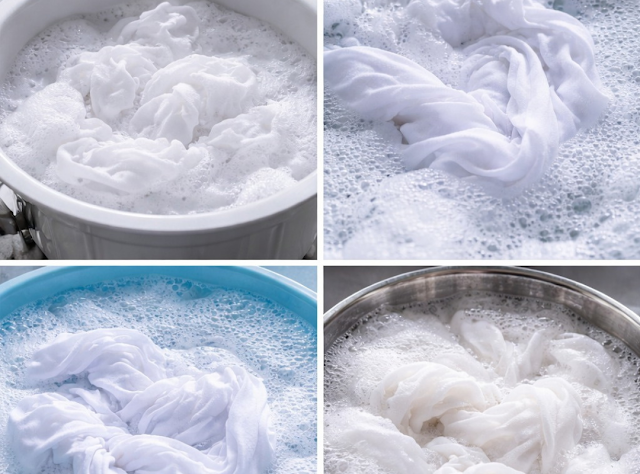
Nothing compares to the fresh appearance of perfectly clean white clothing. Whether it's a favorite dress shirt, a set of bed linens, towels, or everyday T-shirts, bright white fabrics create a feeling of cleanliness that is difficult to match. Unfortunately, keeping whites looking new isn't always easy. Over time, repeated washing, sweat, body oils, detergent residue, hard water, and improper drying can leave fabrics looking dull, gray, or yellow.
Many people immediately reach for chlorine bleach when their whites begin to lose their brightness. While bleach can sometimes remove stains, it isn't always the best solution. Frequent use may weaken fabric fibers, shorten the lifespan of garments, and even contribute to yellowing if used incorrectly. Fortunately, there are several gentler approaches that can help restore white fabrics while protecting their quality.
Among the household remedies that are often discussed is the use of aspirin. While some people report success using it as part of their laundry routine, the scientific evidence supporting its effectiveness is limited. It may offer mild cleaning benefits under certain conditions, but it should not be viewed as a miracle whitening solution. Instead, the best results usually come from combining proper washing habits with effective stain treatment and careful fabric care.
Why White Clothes Lose Their Brightness
White fabrics rarely become discolored overnight. Instead, dullness develops gradually as tiny amounts of residue accumulate inside the fibers.
Body oils are one of the biggest contributors. Even clean skin naturally produces oils that transfer to collars, cuffs, underarms, and pillowcases. Sweat can combine with deodorants, lotions, and cosmetics, creating stains that become more noticeable over time.
Detergent buildup is another common problem. Using too much detergent may leave residues behind, especially in high-efficiency washing machines that use less water. These residues trap dirt instead of removing it.
Hard water can also affect laundry. Minerals such as calcium and magnesium may cling to fabric, making whites appear gray or dingy after repeated washes.
Finally, accidental color transfer from darker garments can slowly tint white clothing, particularly if whites and colors are washed together.
Start With Proper Laundry Sorting
One of the simplest ways to preserve bright whites is also one of the most overlooked: sorting laundry correctly.
White garments should always be washed separately from colored clothing. Even fabrics labeled as "colorfast" can release tiny amounts of dye during washing. Although the transfer may not be visible after a single load, repeated exposure gradually dulls white fabrics.
Sorting by fabric type is equally important. Heavy items such as jeans or towels can create excessive friction against lightweight shirts or delicate fabrics, leading to faster wear.
Creating separate loads for whites, lights, darks, towels, and delicate fabrics helps maintain both appearance and longevity.



Leave a Reply