
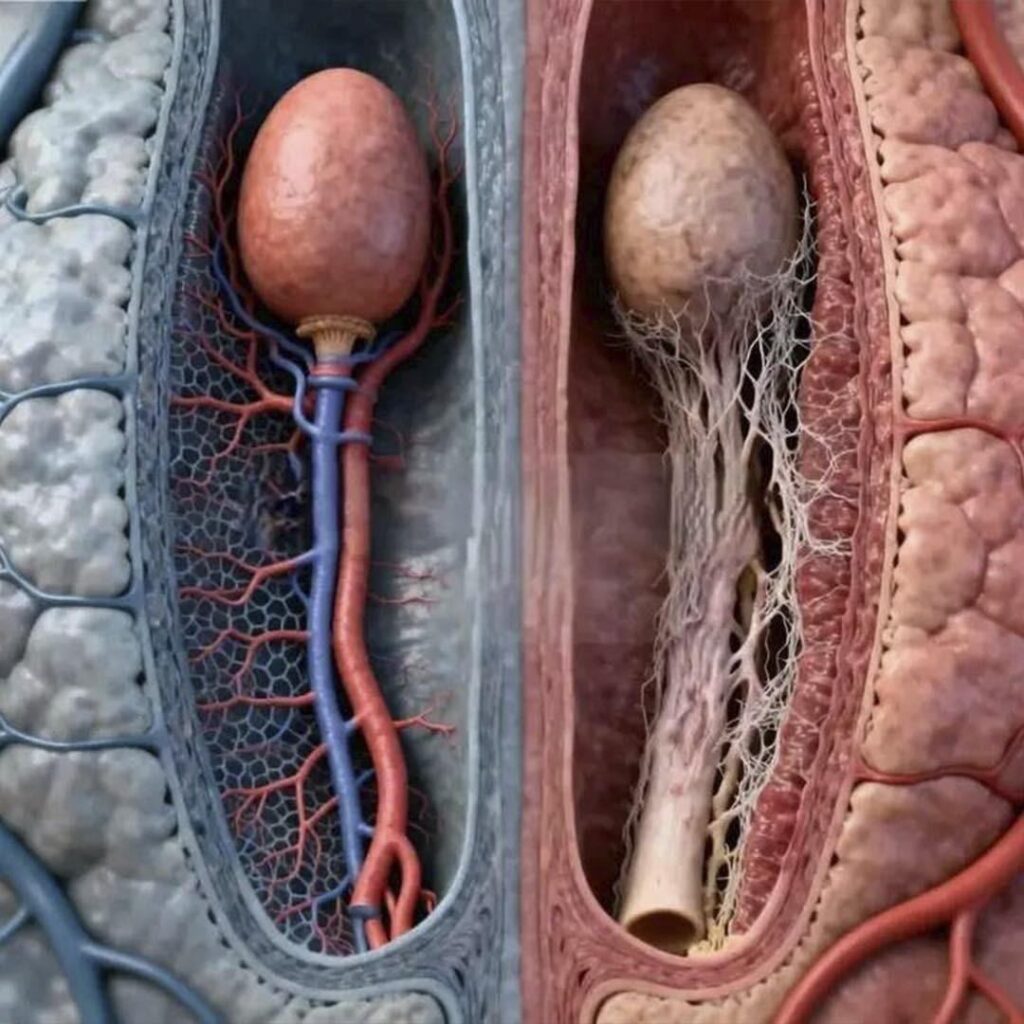
Diabetes
Poorly controlled diabetes can damage the kidneys through persistently elevated blood sugar levels.
High glucose levels gradually injure the kidneys' filtering units, making it more difficult for them to function properly. Diabetes remains one of the most common causes of kidney failure, but maintaining healthy blood sugar levels can greatly reduce the risk.
Obesity
Carrying excess body weight increases the likelihood of developing conditions such as high blood pressure and type 2 diabetes, both of which place additional stress on the kidneys.
Maintaining a healthy weight through balanced nutrition and regular physical activity benefits the kidneys as well as overall health.
Smoking
Smoking reduces blood flow to the kidneys and damages blood vessels throughout the body. It may also accelerate the progression of existing kidney disease.
Quitting smoking offers benefits that extend far beyond kidney health, including improved cardiovascular and lung function.
Everyday Habits That Support Healthy Kidneys
Stay Hydrated
Adequate hydration helps the kidneys remove waste products through urine.
Water requirements vary depending on age, activity level, climate, and individual medical conditions. Most healthy adults benefit from drinking water consistently throughout the day rather than waiting until they feel very thirsty.
Eat a Balanced Diet
A diet rich in vegetables, fruits, whole grains, legumes, lean proteins, and healthy fats supports overall health, including kidney function.
Limiting heavily processed foods may help reduce excessive sodium intake, which can contribute to elevated blood pressure.
Exercise Regularly
Physical activity improves circulation, supports a healthy weight, and helps control blood pressure and blood sugar levels.
Even moderate activities such as brisk walking, cycling, or swimming performed several times each week can provide meaningful health benefits.
Sleep Well
Good-quality sleep supports many body systems, including cardiovascular and metabolic health. Adults generally benefit from seven to nine hours of sleep each night.
Medications and Kidney Health
Certain medications can affect kidney function, particularly when taken in large amounts or over long periods.
Some pain relievers known as nonsteroidal anti-inflammatory drugs (NSAIDs) may increase the risk of kidney injury in susceptible individuals, especially when combined with dehydration or existing kidney disease.
Always follow dosage instructions and discuss long-term medication use with a healthcare professional.
Possible Warning Signs
Although early kidney disease often causes no symptoms, more advanced disease may be associated with:
- Swelling of the feet, ankles, or legs.
- Persistent fatigue.
- Changes in urination frequency or appearance.
- Difficulty concentrating.
- Muscle cramps.
- Persistent itching.
- Poor appetite.
- Nausea.
These symptoms are not specific to kidney disease and may have many possible causes. Anyone experiencing persistent or concerning symptoms should seek medical evaluation rather than attempting self-diagnosis.
Who Should Be Screened?
Certain groups have a higher likelihood of developing kidney disease, including people with:
- Diabetes.
- High blood pressure.
- Cardiovascular disease.
- Obesity.
- A family history of kidney disease.
- Older age.
Routine blood and urine tests can often detect kidney problems before symptoms become noticeable.
Simple Steps to Protect Your Kidneys
Healthy daily habits can make a significant difference over time.
- Stay physically active.
- Drink enough water.
- Limit excess sodium.
- Avoid smoking.
- Manage blood pressure.
- Control blood sugar if you have diabetes.
- Maintain a healthy weight.
- Take medications only as directed.
- Schedule regular medical checkups if you have risk factors.
Frequently Asked Questions
Can kidney disease be reversed?
Some causes of temporary kidney injury improve with treatment, but chronic kidney disease is generally managed by slowing progression rather than reversing existing damage.
Is drinking more water always better?
Not necessarily. Most healthy people benefit from adequate hydration, but excessive water intake is unnecessary and may not be appropriate for people with certain medical conditions.
Does kidney disease always cause pain?
No. Many people experience no pain during the early stages of chronic kidney disease.
Are annual checkups important?
Yes. Routine health screenings can identify changes in kidney function before symptoms appear, especially for individuals at increased risk.
Can lifestyle changes make a difference?
Absolutely. Healthy eating, regular exercise, avoiding smoking, maintaining a healthy weight, and controlling blood pressure and blood sugar all support long-term kidney health.
Final Thoughts
The kidneys quietly perform essential work every day, filtering the blood and helping maintain the body's internal balance. Because kidney disease often develops without obvious symptoms, prevention and early detection are especially important.
Adopting healthy habits, staying physically active, eating a balanced diet, managing chronic conditions such as diabetes and high blood pressure, and attending regular health checkups can significantly reduce the risk of kidney problems.
While no single food or lifestyle change can guarantee perfect kidney health, consistent healthy choices made over time provide the strongest foundation for protecting these vital organs throughout life.


Leave a Reply