
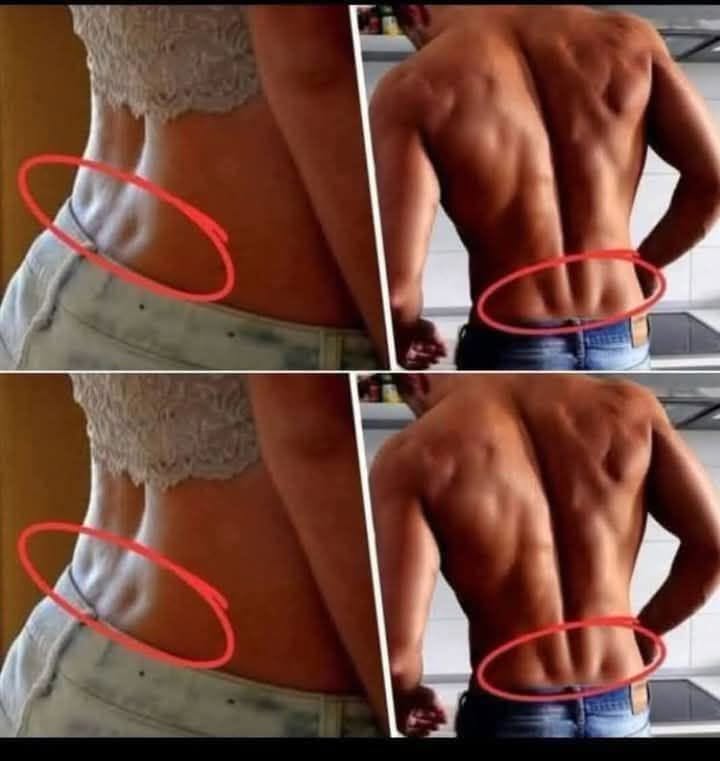
What Are the Dimples of Venus?
The dimples of Venus are small indentations located on either side of the lower back, just above the buttocks.
From an anatomical perspective, they appear over an area known as the posterior superior iliac spine (PSIS), where important pelvic structures lie beneath the skin.
These dimples develop because short ligaments connect the skin directly to the underlying pelvic bone. In people who inherit this particular body structure, the ligaments gently pull the skin inward, creating the familiar symmetrical appearance.
Because this feature depends primarily on genetics and bone structure, not everyone has these dimples—and that's completely normal.
A Completely Normal Anatomical Feature
One of the biggest misconceptions is that these dimples indicate exceptional fitness or a specific body type.
In reality:
- They are inherited genetic traits.
- They are harmless.
- They are not signs of illness.
- They are not indicators of athletic ability.
- They occur naturally in people of many different body shapes and sizes.
Some people may notice them more clearly when body fat is lower, while others may have visible dimples regardless of their weight.
Ultimately, whether someone has these dimples depends far more on anatomy than lifestyle.
Why Have They Been Associated With Beauty?
Throughout history, artists and sculptors frequently highlighted these lower-back dimples in paintings and statues.
As a result, they gradually became associated with classical ideals of beauty and physical symmetry.
Although these artistic traditions contributed to their romantic names, modern medicine views them simply as a normal variation in human anatomy rather than an indicator of attractiveness or health.
Every person's skeletal structure is unique, and the presence—or absence—of these dimples is simply one example of natural human diversity.
Understanding the Difference Between Venus Dimples and Pilonidal Dimples
Although lower-back dimples are usually harmless, it is important to distinguish them from another condition that may require medical attention.
Venus (or Apollo) Dimples
The classic "Dimples of Venus" appear as two symmetrical indentations on either side of the lower back.
These dimples:
- Are completely normal.
- Result from inherited anatomy.
- Usually remain painless.
- Do not require treatment.
- Have no known negative impact on health.
They are simply part of the way some people's ligaments connect the skin to the underlying pelvic bones.
Pilonidal Dimples
A pilonidal dimple is something entirely different.
Instead of two matching indentations, it appears as a single small pit or opening near the top of the crease between the buttocks.
Most pilonidal dimples never cause problems, but some may trap hair, skin debris, or bacteria, increasing the risk of infection.
Possible warning signs include:
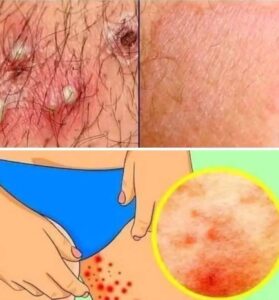
- Redness.
- Swelling.
- Pain or tenderness.
- Drainage of fluid or pus.
- Persistent discomfort while sitting.
If any of these symptoms develop, a healthcare provider can evaluate the area and recommend appropriate treatment.
Can You Develop Venus Dimples Later in Life?
Many people wonder whether exercise or weight loss can create these dimples.
The answer is largely no.
Because Venus dimples are determined by skeletal anatomy and ligament attachment, they cannot be created through workouts alone.
However, posture, muscle tone, and body composition may make naturally existing dimples appear more noticeable in some individuals.
Core-strengthening activities such as:
- Pilates
- Yoga
- Strength training
- Functional fitness
can improve posture and muscle definition, but they do not change the underlying ligament structure responsible for the dimples.
Common Myths About Lower-Back Dimples
Over time, numerous myths have developed around these small indentations.
Some of the most common misconceptions include:
Myth: They indicate perfect health.
Fact: They are simply inherited anatomical features.
Myth: Only women have them.
Fact: Men can have them as well, where they are often called the "Dimples of Apollo."
Myth: Everyone can develop them with enough exercise.
Fact: Genetics—not exercise—determine whether they appear.
Myth: They guarantee proper pelvic alignment.
Fact: They do not indicate how the pelvis is aligned or function mechanically.
Appreciating Natural Variation
Human bodies vary enormously from one person to another.
Some people have visible Venus dimples.
Others have smooth lower backs.
Neither appearance is healthier nor more desirable from a medical standpoint.
These small anatomical differences simply reflect the incredible diversity of human genetics and remind us that there is no single definition of a "normal" body.
When Should You See a Doctor?
For most people, the dimples of Venus or Apollo are simply a harmless part of their natural anatomy and never require medical attention.
However, you should consider speaking with a healthcare professional if you notice:
- A new indentation that appears suddenly.
- Persistent lower back pain near the area.
- Swelling, redness, or warmth.
- Drainage from a small opening near the tailbone.
- Difficulty sitting because of discomfort.
These symptoms are not caused by Venus dimples themselves but may indicate another condition that deserves medical evaluation, such as a pilonidal cyst or another issue affecting the lower back.
Embracing Your Natural Anatomy
Our bodies contain countless unique features that make each of us different.
Some people have freckles.
Others have dimples on their cheeks.
Some naturally have the small lower-back indentations known as the dimples of Venus or Apollo.
None of these characteristics determine a person's health, beauty, or worth.
Instead, they simply reflect the remarkable diversity of human anatomy.
Learning the science behind these features can replace unnecessary worry with appreciation for how our bodies are naturally designed.
Body Confidence Begins With Understanding
Social media often encourages comparisons by presenting certain physical traits as rare or ideal.
In reality, anatomical variations are completely normal.
Whether your lower back has visible dimples or a smooth appearance, your body functions according to its own unique genetic blueprint.
Rather than focusing on meeting changing beauty standards, many health professionals encourage people to appreciate what their bodies allow them to do every day—walking, lifting, exercising, embracing loved ones, and living active lives.
Knowledge can also reduce anxiety. Understanding that these dimples are harmless helps many people view them as simply another interesting feature rather than something mysterious.
Final Thoughts
The dimples of Venus and Apollo are small, symmetrical indentations created by the natural attachment of ligaments to the pelvic bones. They are inherited through genetics and represent a completely normal variation in human anatomy.
Although they have inspired myths about beauty, fitness, and health throughout history, modern medical understanding shows that they are neither a sign of superior health nor a cause for concern. Most people who have them will never experience any problems related to these dimples.
It is important, however, to distinguish these harmless indentations from a pilonidal dimple, which appears as a single pit near the tailbone and may occasionally require medical attention if it becomes infected.
Ultimately, every body is unique. Whether you have lower-back dimples or not, your anatomy reflects the incredible diversity of the human body. Appreciating these natural differences—and seeking medical advice only when symptoms such as pain, swelling, or drainage appear—is the healthiest way to approach changes in your body.

Leave a Reply