
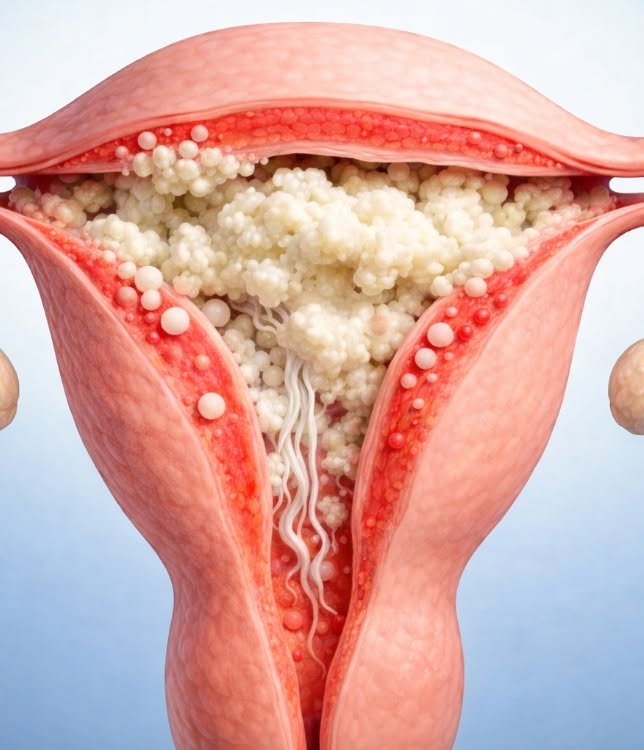
Why the Urge Often Appears After Physical Intimacy
Many people notice an increased need to urinate shortly after sexual activity.
Several normal physiological changes contribute to this sensation.
Pressure on the Bladder
The bladder sits within the pelvis near reproductive organs.
Movement and muscle activity during intimacy can place temporary pressure on the bladder, making it feel fuller than before.
Increased Blood Flow
Sexual arousal increases blood circulation throughout the pelvic region.
Greater circulation affects surrounding tissues, nerves, and muscles.
As blood flow changes, nerve signals related to bladder fullness may become more noticeable.
Muscle Activity
The pelvic floor muscles contract and relax during intimacy.
These muscles also help support bladder function.
Their activity may stimulate the urge to urinate afterward.
Together, these normal changes explain why the sensation is so common.
How Urination May Help Reduce UTI Risk
One of the most widely discussed reasons for urinating after intercourse is its potential role in reducing urinary tract infection risk.
Urinary tract infections occur when bacteria enter the urethra and multiply within the bladder.
During intimacy, bacteria that normally live harmlessly around the skin or digestive tract may move closer to the urethral opening.
If these bacteria remain in place, some may travel upward.
Passing urine shortly afterward may help flush some bacteria out of the urethra before they have an opportunity to multiply.
Although urinating cannot guarantee prevention, many healthcare professionals recommend this simple habit because it is safe, easy, and may reduce bacterial exposure.
Why Women Are More Susceptible
Urinary tract infections affect women far more frequently than men.
Several anatomical differences explain this increased risk.
The female urethra is:
- Shorter
- Located closer to the anus
- Positioned nearer to the vaginal opening
Because bacteria have a shorter distance to travel, they may reach the bladder more easily.
This anatomical difference does not mean infection is inevitable.
Instead, it highlights the value of preventive habits such as:
- Drinking enough water
- Maintaining good hygiene
- Avoiding prolonged urine retention
- Urinating after intercourse when possible
These simple practices may help lower infection risk.
Hydration Supports Natural Protection
Water plays a major role in urinary health.
Adequate hydration increases urine production.
More frequent urination naturally helps flush the urinary tract throughout the day.
Concentrated urine may remain in the bladder longer and can sometimes irritate the urinary system.
By contrast, well-hydrated individuals generally produce larger volumes of urine, supporting the body's normal cleansing process.
Water remains the best beverage for maintaining hydration.
Don't Ignore the Urge
Many people postpone urination because they are tired, busy, or simply do not want to get out of bed.
Occasionally delaying urination is unlikely to cause problems in healthy individuals.
However, repeatedly holding urine for long periods may allow bacteria additional time to multiply inside the bladder.
Responding promptly to natural urges supports healthy bladder function and may reduce discomfort.
Listening to the body's signals is an important part of overall wellness.
Other Healthy Habits for Urinary Health
Urinating after intimacy is only one part of maintaining a healthy urinary system.
Other helpful habits include:
Stay Hydrated
Drink enough water throughout the day.
Practice Good Hygiene
Gentle cleansing of the genital area helps reduce bacterial buildup.
Avoid Unnecessary Irritants
Some scented soaps, sprays, and personal care products may irritate sensitive tissues.
Wear Breathable Clothing
Cotton underwear and loose-fitting clothing reduce moisture buildup.
Don't Delay Bathroom Visits
Regular bladder emptying supports healthy urinary function.
Seek Medical Care for Persistent Symptoms
Burning, frequent urination, fever, blood in the urine, or pelvic pain should be evaluated by a healthcare professional.
Common Myths
Several myths continue to circulate regarding urinary health.
Myth: Everyone must urinate immediately after intimacy.
Reality: While it may be beneficial for many people, particularly those prone to UTIs, it is not a guarantee against infection.
Myth: The urge means something is wrong.
Reality: In most cases, it reflects normal anatomy and physiology.
Myth: Only women benefit.
Reality: Good urinary habits support overall urinary health for everyone, although women experience UTIs more frequently.
When to Seek Medical Advice
Although the urge to urinate after intimacy is usually normal, persistent symptoms should not be ignored.
Consult a healthcare professional if you experience:
- Burning during urination
- Blood in the urine
- Fever or chills
- Persistent pelvic pain
- Frequent recurrent UTIs
- Difficulty emptying the bladder
- Severe lower abdominal pain
Early evaluation can identify infections or other urinary conditions before complications develop.
Conclusion
The urge to urinate after physical intimacy is a normal and often beneficial response that reflects the body's natural protective mechanisms. By helping flush the urethra and supporting normal bladder function, this simple habit may contribute to reducing the risk of urinary tract infections, particularly in individuals who are more susceptible.
While urination alone cannot prevent every infection, combining this practice with adequate hydration, good hygiene, and regular medical care creates a strong foundation for long-term urinary health.
The body communicates through countless small signals every day. Understanding those signals—and responding to them—allows us to work with our natural defenses rather than against them. Sometimes the simplest habits are among the most valuable for protecting health over a lifetime.


Leave a Reply